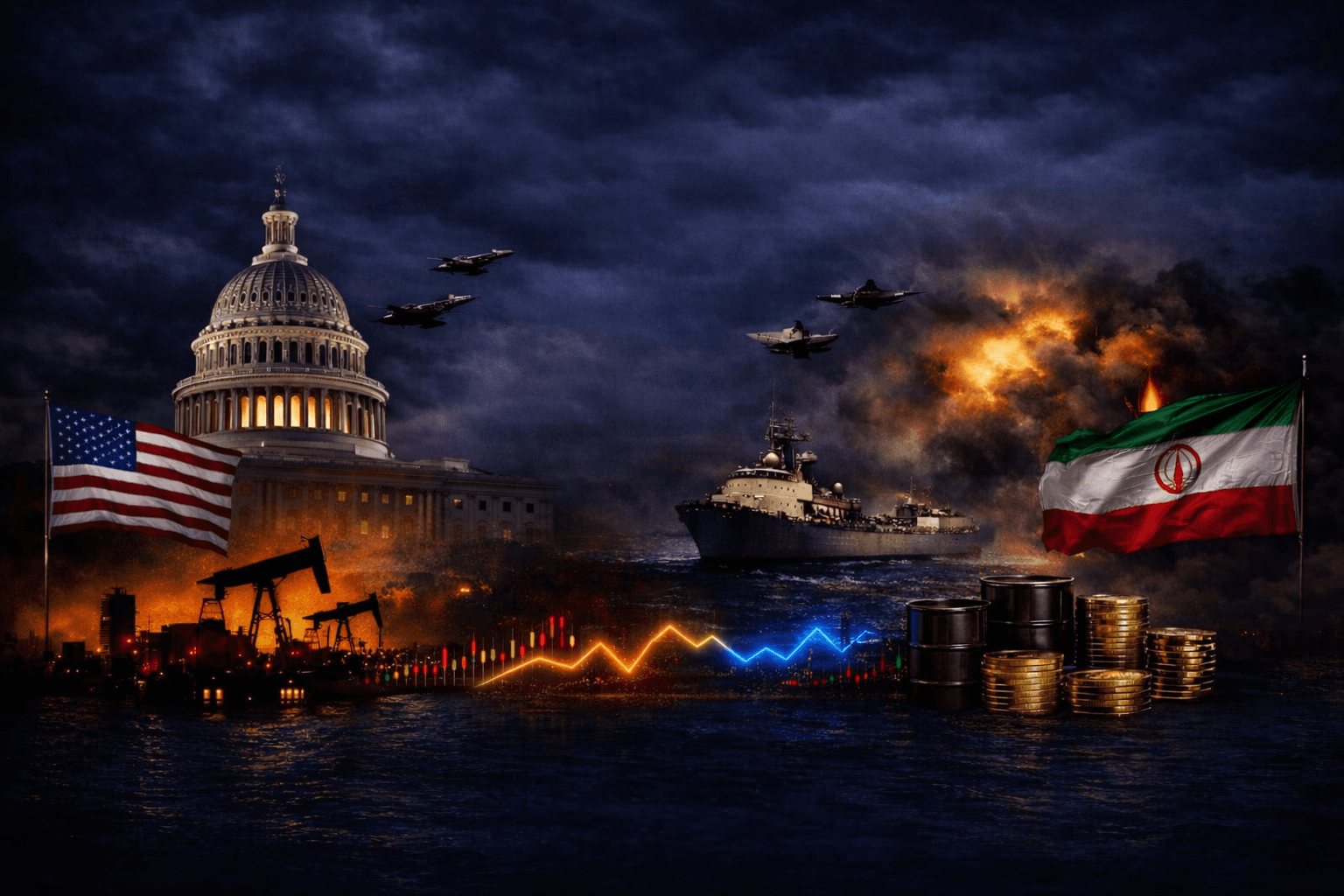
Conflicting signals from Washington
Markets are responding to the idea of a resolution, not the reality of one. That keeps prices moving, but does not create stability. Relief can emerge quickly, but it is difficult to sustain when the underlying situation has not genuinely improved.
China and Pakistan stepped forward this week with a clear message: push for a ceasefire, resume talks and, above all, reopen the Strait of Hormuz. On paper, that sounds like progress. But the US maintained an aggressive posture, with continued strikes and warnings of further escalation, while Iran made clear that its confidence in any negotiation process is virtually non-existent.
That was followed by contradictory signals from the US, suggesting the war could end within weeks without a formal agreement. Markets are left holding two entirely different scenarios at the same time.
Prices are rising, but conviction is not following. That is why rallies feel sharp but not stable. This is not a market rising with confidence. It is a market hoping that it can.
Trump has set a two to three week deadline for this war. If he holds to it, that could bring relief globally, but it is certainly not the outcome he had in mind. The main beneficiary appears to be Israel, and it is becoming increasingly clear that Trump has underestimated how damaging this move has been for himself, for the US and for his position ahead of the midterm elections.
Energy as the driver of broader market stress
The Strait of Hormuz remains a critical bottleneck for global energy flows. Any disruption spreads quickly into global prices and that is already happening. Oil prices have risen, fuel costs are increasing and policy responses are beginning to become visible.
At the same time, less visible stress is building beneath the surface. Helium supply, particularly in the US, is now under pressure. Helium plays a key role in cooling the hardware that powers AI infrastructure. A sustained shortage could have significant consequences for a sector on which the US government increasingly depends. The rate of ammunition consumption in this conflict is also substantial, with potentially structural consequences over the longer term.
Higher oil prices feed inflation expectations, which in turn affects interest rates, growth expectations and market sentiment. Even if headlines improve, the economic impact does not disappear immediately. Markets can rise on hope while the underlying pressure continues to build.
Liquidity is holding everything together, for now
Despite everything, markets are holding up better than many would expect. A significant part of that comes down to structure: the ETF market is larger than ever, with consistent inflows and strong demand for broad exposure. That creates a steady buying flow even in uncertain times. At the same time, investors are rotating into dividend and energy-oriented products to stay engaged without taking on excessive risk.
But there is a downside. When flows are doing the heavy lifting, markets can rise without strong underlying conviction. Dips are being bought, but not always for the same reasons as before. And when support falls away, moves can accelerate faster than expected.
React first, decide later
Markets are not struggling because they lack direction. They are struggling because there are too many possible directions at once. Relief is visible, but it is based on expectation rather than confirmation. Underlying pressures from energy and supply chains are still working their way through the system.
For now, liquidity is helping to hold everything together. But the foundation beneath that depends on something concrete emerging. Until it does, markets will likely react first and decide later.