How a geopolitical conflict evolved into a worldwide market disruption
Sometimes the world does not change through a sudden explosion, but through a disturbance that begins quietly and then accelerates with remarkable speed. While most observers focus on the geopolitical tensions between the United States, Israel and Iran, a far more fundamental shift is unfolding beneath the surface. A shift that is not only affecting markets today, but may ultimately reshape them.
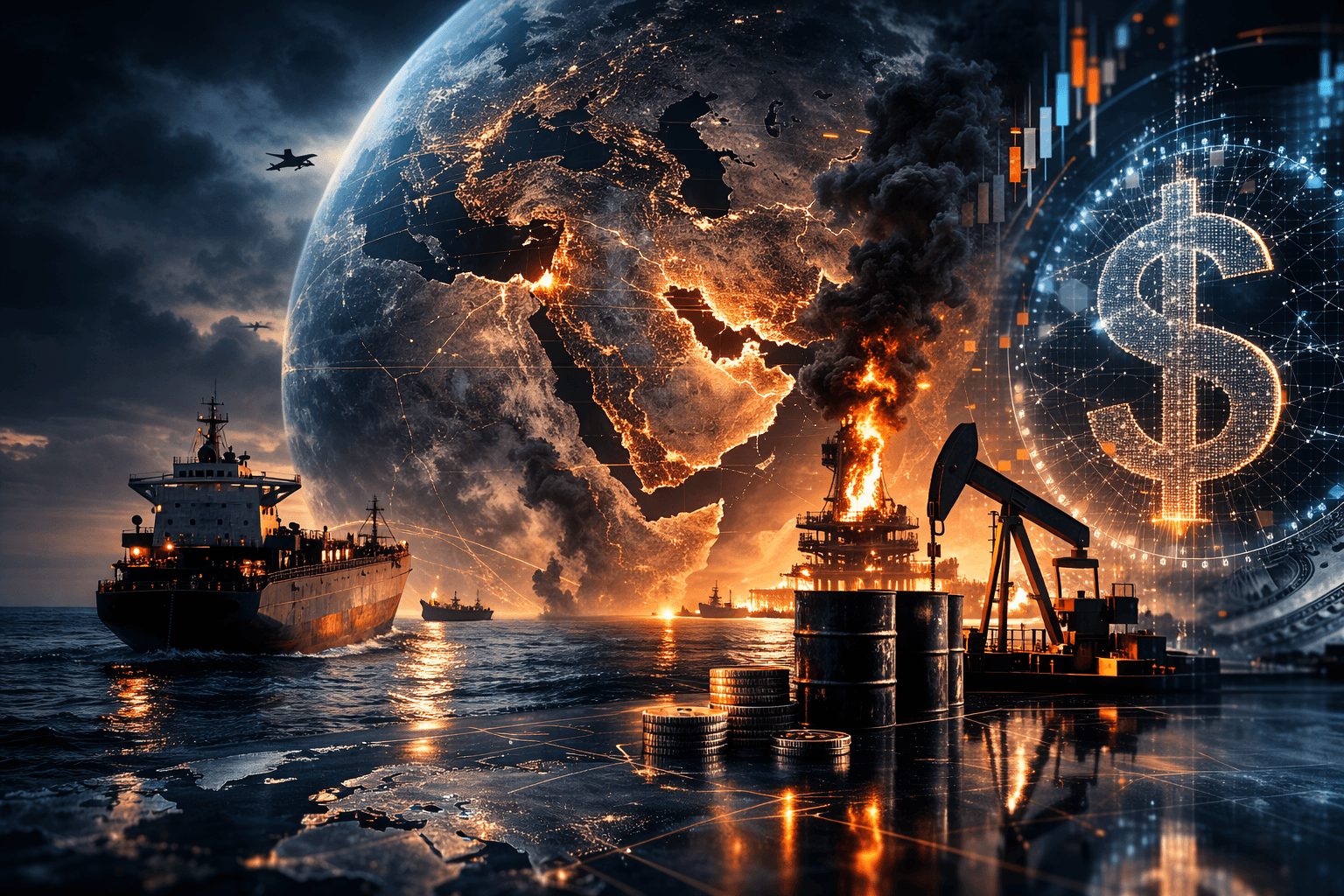
The Strait of Hormuz, a narrow waterway that normally handles around one fifth of all global oil and liquefied natural gas flows, has come close to a standstill. Tankers hesitate to sail, insurers are pulling back, and transport costs are surging. What began as a distant conflict has turned into a direct assault on one of the world’s most critical energy arteries.
Market reactions followed almost immediately. Oil prices spiked, natural gas surged in tandem, and volatility rippled through the financial system. Yet behind these price movements lies a deeper issue. This is not a matter of sentiment, but of physical disruption.
From geopolitical tension to a tangible supply shock
In the early days of the conflict, markets responded mainly to headlines. But it quickly became clear that this was not temporary noise. The logistical chain itself began to strain. Iraq was forced to reduce oil production as storage facilities filled up. Ships remained docked. Traders watched risks shift from hypothetical to concrete.
The oil is still in the ground, but that becomes irrelevant when it cannot reach the buyer. That is where the real shock emerges. The market begins to price in shortages not because production has collapsed, but because the world cannot transport what it produces.
It is the economic equivalent of a vital artery suddenly constricting. The immediate effects are visible, but the full impact unfolds over time.
A chain reaction extending far beyond energy
When a route as crucial as the Strait of Hormuz becomes impaired, the consequences reach well beyond oil. Inflation expectations begin to shift. Currencies adjust to a rapidly changing risk landscape. Industrial supply chains grow uneasy. Equity markets lose direction and move erratically, as if searching for balance.
Uncertainty is no longer abstract. It is visible, measurable and present across every asset class. That is what makes this period so exceptional. Markets are not reacting to what might happen, but to what is already happening.
The weeks ahead: four possible paths
The market is now operating in a fragile equilibrium. Even minor developments can alter the trajectory. If shipping activity recovers, energy prices may retreat quickly and stability could return. If the disruption persists, storage will continue to fill, producers may be forced into deeper cuts, and prices could rise further.
A third scenario involves the deployment of military escorts. This could gradually restore confidence, though it introduces its own set of risks. And then there is the possibility that attacks continue. In that case, volatility is likely to remain elevated, with markets reacting to every new headline as if it were a shockwave.
None of these paths offer an easy resolution. They highlight how vulnerable the global energy system becomes when a single critical route is compromised.
Precious metals: an unexpected move
In periods of geopolitical stress, investors traditionally seek refuge in gold and silver. This time, the opposite occurred. As oil prices surged, precious metals declined sharply. It appears in conflict with typical market logic, yet it reveals an important truth about current conditions.
This is not a classic flight to safety. It is a search for liquidity.
When volatility rises, margin calls must be met. Positions are reduced. Cash becomes paramount. In that process, even safe haven assets are temporarily sold. Gold fell nearly nine percent, a rare move during geopolitical escalation. Yet it remains within all time high ranges, indicating that underlying demand has not disappeared, but is temporarily overshadowed by the need to free up liquidity.
The United States dollar: once again at the center of the storm
While commodities and equities move erratically, one asset class has strengthened consistently. The United States dollar. In times of global stress, liquidity becomes the most valuable asset, and the dollar remains the backbone of the international financial system.
The dollar index reached a new yearly high before easing slightly. The move is strong but primarily reactive, driven by rising oil prices, shifting interest rate expectations and a renewed demand for safety. For energy importing nations, this creates a double burden. Higher energy costs and a stronger dollar.
A market searching for direction
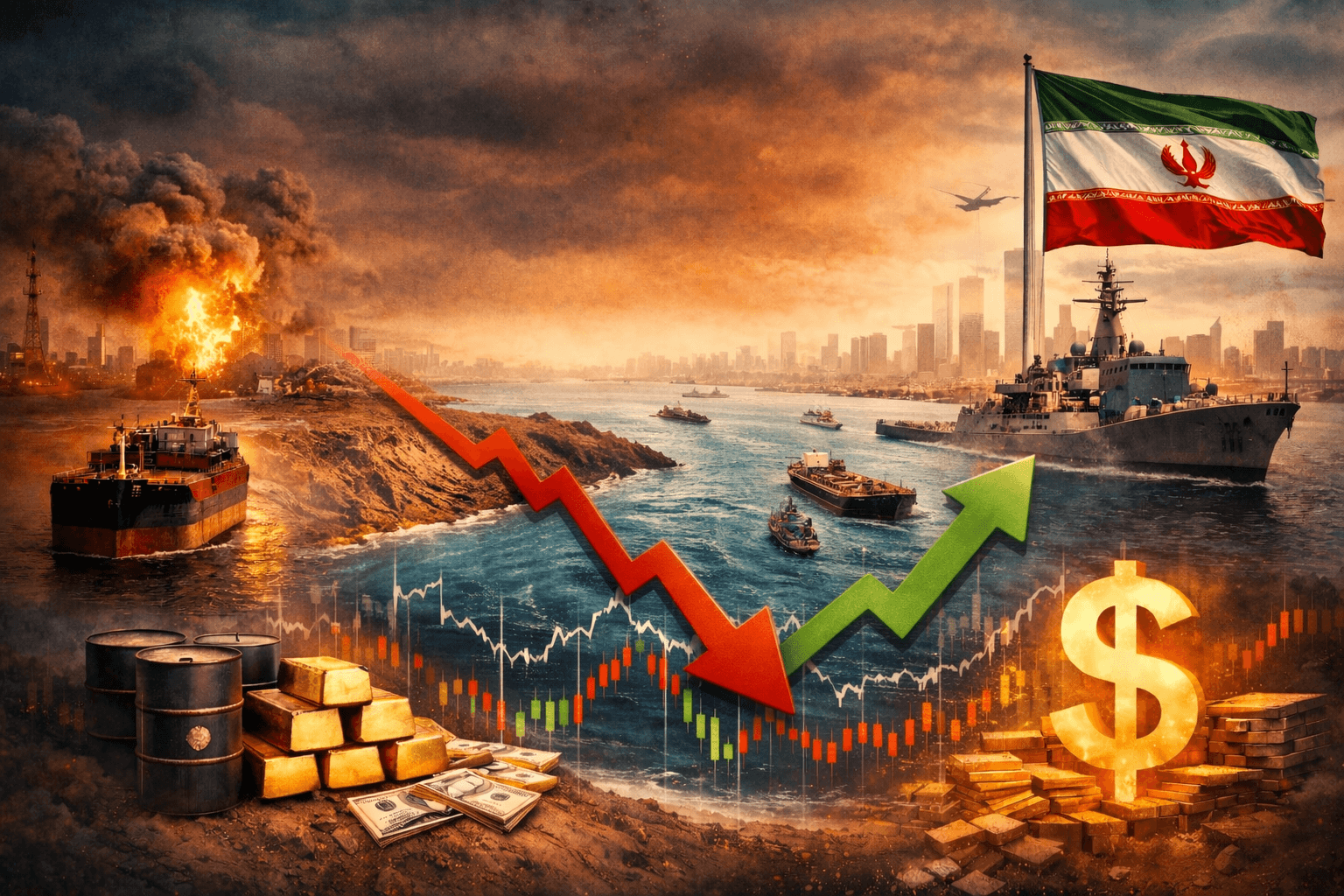
The current environment has produced an unusual dynamic. Oil rises on physical supply stress. The dollar strengthens on liquidity demand. Precious metals fall under margin driven selling pressure. Equities drift without clear direction, caught between inflation concerns and energy related risks.
Confidence in smooth global energy flows has been shaken. And that confidence will not return quickly. Markets are waiting for evidence that shipping through the Strait of Hormuz can resume safely. Until then, even minor developments can act as catalysts for significant market movements.
What this means for investors
We are in a period where markets react rapidly but struggle to form sustained trends. The environment is reactive rather than predictive. For investors, this makes discipline more important than ever. Opportunities exist, but risks are widespread.
In such conditions, having a clear plan and adhering to it becomes essential. The market may be unpredictable, but your strategy does not have to be.