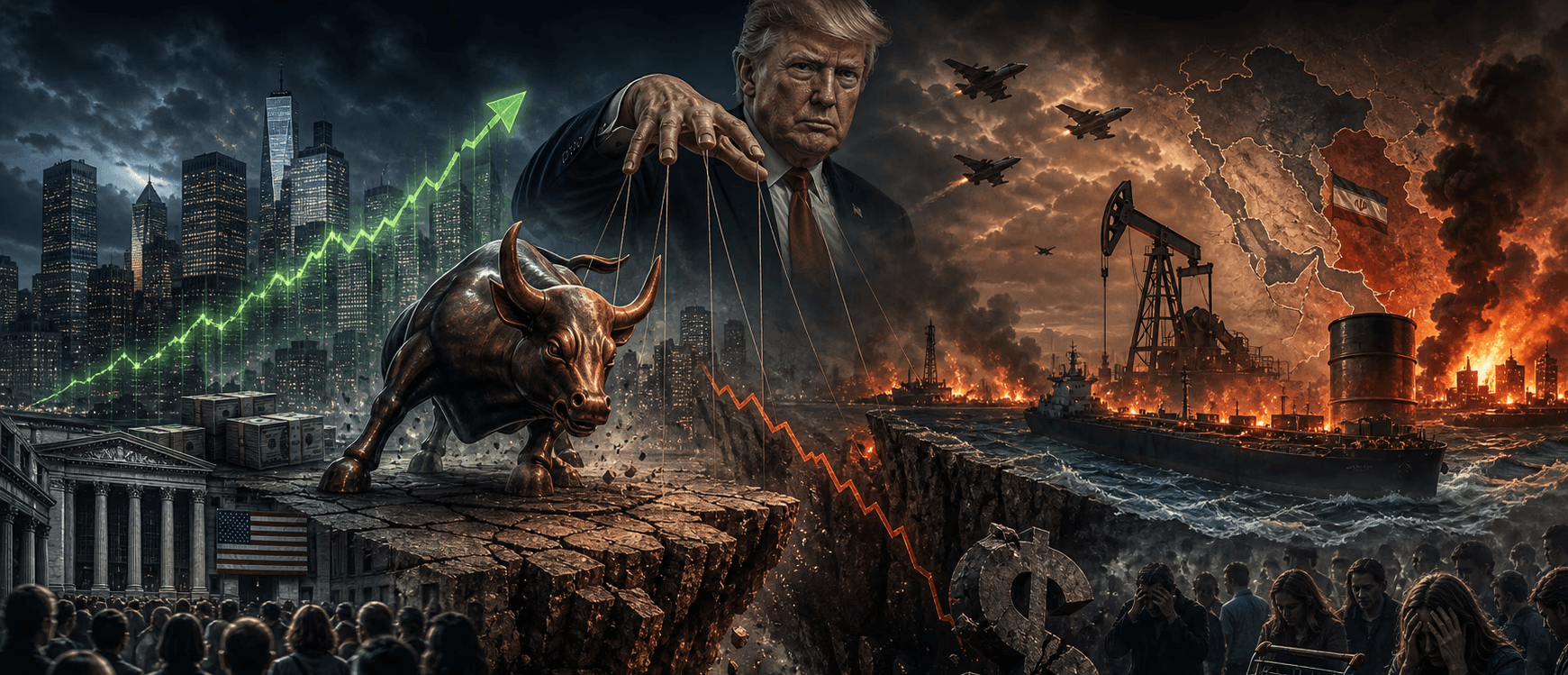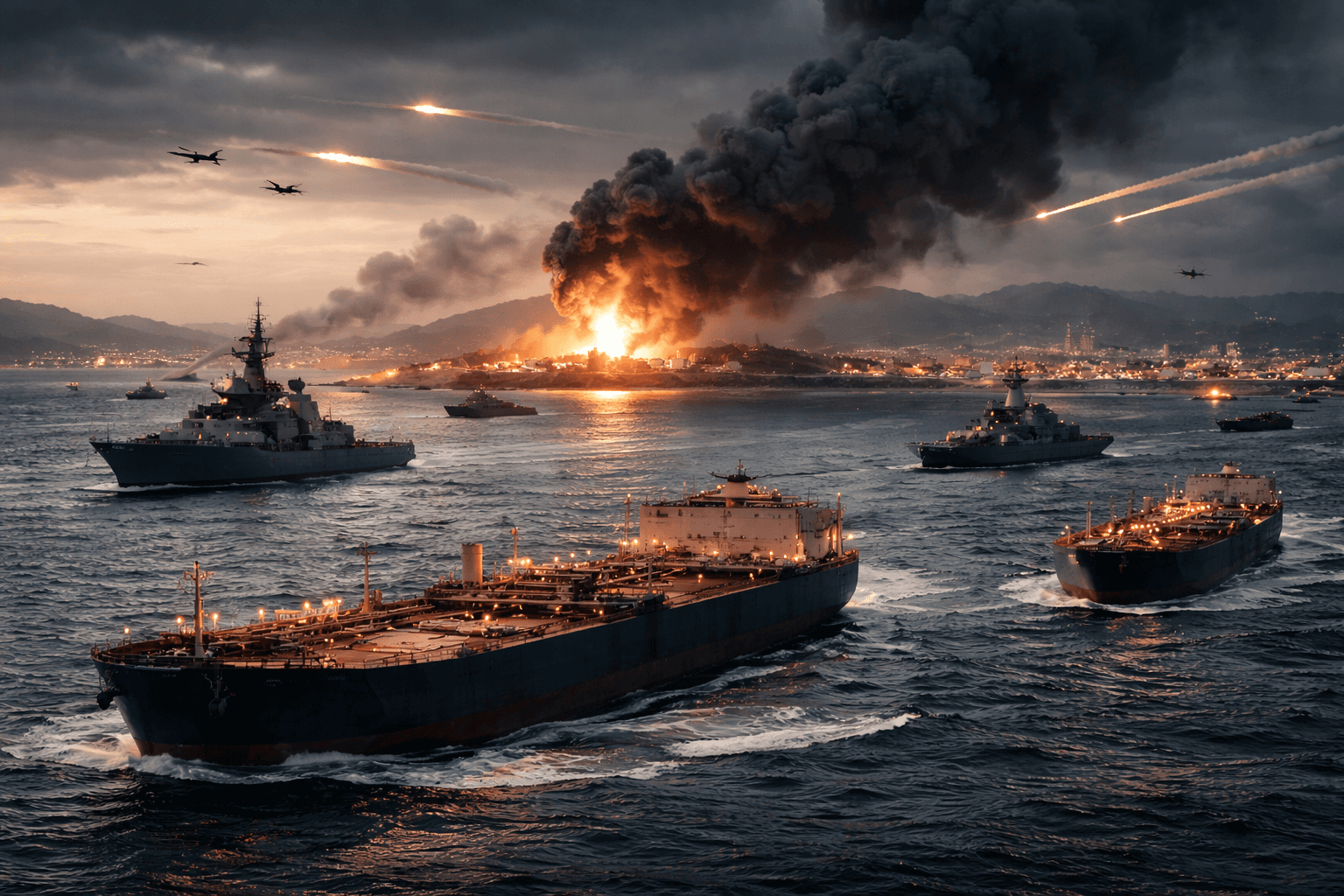
Over the past few weeks, the situation surrounding the Middle East has taken on a dimension that has been difficult to follow. What began as a targeted military operation has grown into a conflict that is simultaneously pressuring global energy flows, central bank policy, and market positioning. And just as cautious diplomatic light appears at the end of the tunnel, it is tempting to breathe a sigh of relief. But as we have learned over recent weeks: one step forward here rarely means the path is clear.
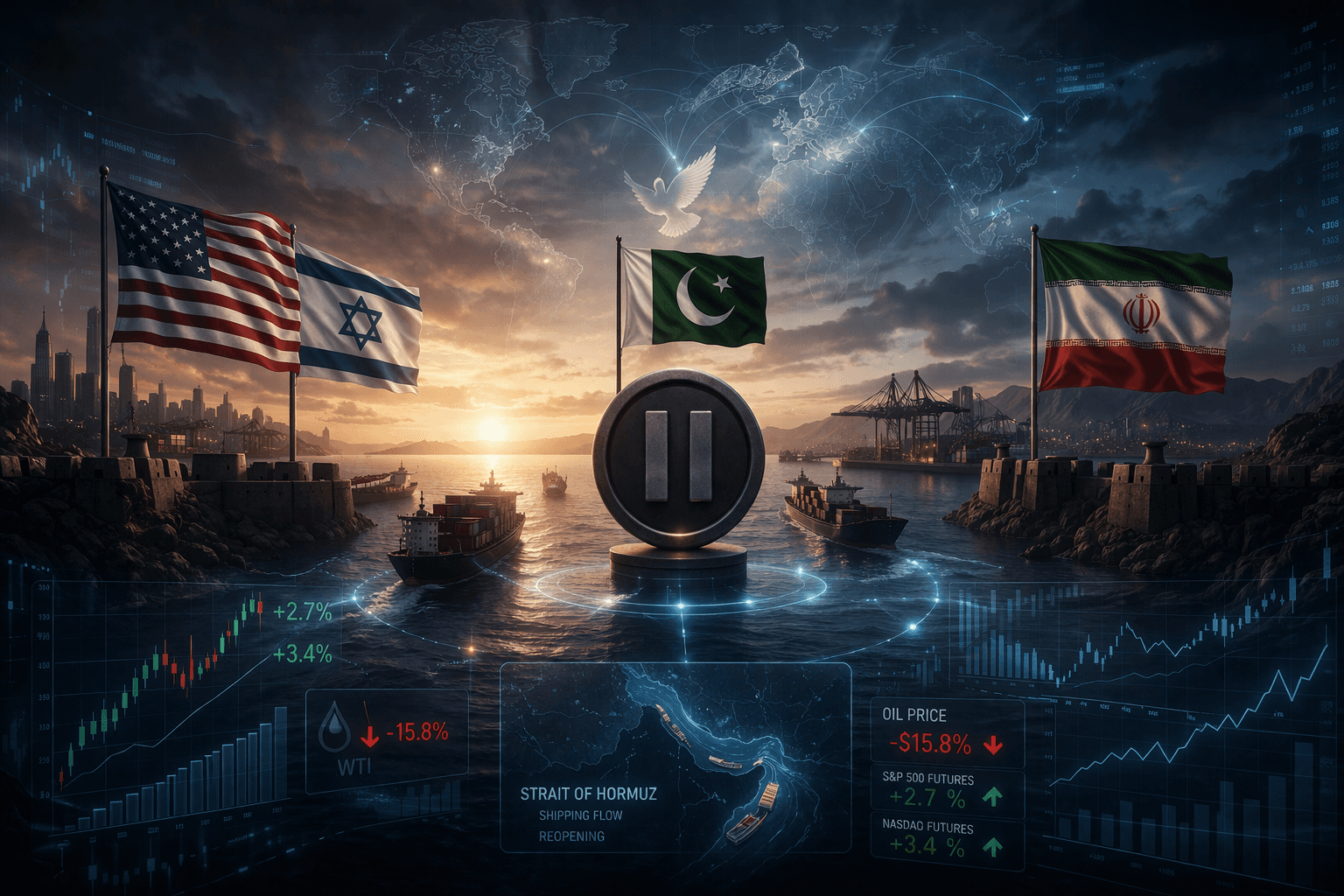
On April 8, Pakistan announced a ceasefire between the US and Iran, brokered by Islamabad with the tacit involvement of China. Markets responded immediately and broadly: oil prices plunged, equities surged, and safe-haven demand collapsed in one of the fastest and broadest market reversals in years, driven entirely by a single geopolitical announcement. That was the euphoria. What followed told a different story.
By April 9, there was no sign that the agreement to reopen the Strait of Hormuz was actually being implemented. Ships were once again being turned away, and Iran accused the US and Israel of violating the agreement through continued strikes in Lebanon. The relief of 24 hours earlier suddenly felt fragile, exactly as it had always been.
Today, April 17, the situation looks marginally more stable on paper but remains structurally unchanged. The Strait of Hormuz remains effectively closed to the vast majority of commercial shipping traffic, despite a US naval blockade of Iranian ports designed to force a reopening. Israel and Lebanon have agreed to a ten-day ceasefire, but the question remains how Hezbollah will respond to a deal it played no part in negotiating. Trump said yesterday that the US is "very close" to a deal with Iran. Whether that optimism is warranted, we will only know once the Strait actually opens.
What the blockade is really costing
To understand why this conflict feels so different from previous geopolitical shocks, it helps to look at the scale of the disruption. Since the conflict began, daily shipping traffic through the Strait of Hormuz has fallen by more than 90%.
That number is more abstract than it sounds until you translate it into concrete consequences. In normal times, more than 20 million barrels of oil passed through the Strait each day; that figure now stands at approximately 3.8 million barrels per day. The IEA estimates that Iraq, Saudi Arabia, Kuwait, the UAE, Qatar, and Bahrain have collectively shut in 9.1 million barrels per day of production in April, simply because the export route is blocked.
The energy market is not absorbing that quietly. Brent crude began the year at $61 per barrel and ended the first quarter at $118, the largest quarterly increase on an inflation-adjusted basis since 1988. Yesterday, Brent traded around $93, weighed down by cautious optimism surrounding the ceasefire. But the direction depends on one variable: whether the Strait genuinely, and durably, reopens.
The consequences now reach well beyond the energy market. The head of the International Energy Agency warned this week that Europe has approximately six weeks of jet fuel reserves remaining. If the Strait of Hormuz does not reopen in the near term, flights could be cancelled due to a shortage of kerosene. This is no longer an abstract risk scenario; it is a logistical reality that draws closer with every passing week.
Markets are reacting, but not trusting
What stood out most over the past few weeks was not the direction of market moves, but the quality of them. Every positive headline was priced in immediately, and every setback just as quickly. Analysts noted that the relief following the ceasefire was driven more by the unwinding of hedges and speculative positioning than by any fundamental resolution of the conflict.
That is an important distinction. When markets rise on positioning rather than conviction, every rally is as fragile as the news that caused it. A temporary ceasefire is welcome news, but market volatility is likely to remain elevated, with sharp and rapid swings driven by headlines.
That is also precisely what we are seeing. Selloffs feel heavy because positioning is stretched on the short side. But rallies can be just as aggressive when traders are forced to cover. The result is not a trending market, but a market pricing risk that refuses to go away, one that can overshoot in both directions without the underlying situation having changed in any meaningful way.
The macro backdrop is quietly getting harder
While geopolitical headlines command all the attention, the macro-economic picture is quietly becoming more difficult to manage. The IMF warned in its most recent World Economic Outlook that under a severe scenario, global growth in 2026 could fall by 1.3 percentage points, bringing the world closer to recession than at any point since the financial crisis and COVID-19. Under that same scenario, inflation would come in 190 basis points higher, reaching 5.8%.
That is the classic stagflation dilemma, and it is the scenario for which central banks are least equipped. Easing is risky as long as energy prices remain inflationary. Tightening further slows an economy already under pressure. Even if the conflict ends quickly, the downward effects on growth and upward effects on inflation will linger for some time, not least because physical damage to energy infrastructure across the region can take months to repair.
For Trump, there is an added political dimension. The midterms are approaching, US gasoline prices are at their highest level in years, and confidence in his leadership has visibly eroded. Analysts have warned that after the elections, pressure for a more permanent solution will intensify, and that a resumption of hostilities later this year cannot be ruled out.
The path forward: diplomacy with a deadline
The situation is not without hope. After sixteen hours of negotiations in Pakistan, the positions of the US and Iran were reportedly closer than many expected, and a return to full-scale conflict looks less likely than a negotiated compromise, provided hardliners on both sides do not take matters into their own hands.
But that compromise faces an infrastructure problem. Even if an agreement is reached, the Strait will not function as before overnight. Tankers must return, insurance premiums must normalize, damaged terminals must be repaired. The market that currently jumps at every ceasefire headline occasionally seems to forget that.
The conditions to watch are clear. Whether the Strait shows signs of durable reopening. Whether the second round of negotiations delivers concrete results before the ceasefire expires. Whether inflation data in the coming weeks adds further pressure on central banks. And whether the Lebanon ceasefire holds now that Israel has indicated it does not consider itself bound by the agreement.
As long as all of that remains open, the market finds itself in the state we have come to know well over recent weeks: it reacts first and decides later. That calls not for apathy on our part, but for discipline. Do not force trades in an environment that still has more questions than answers, and remain alert to the asymmetry: sharp downside if negotiations fail, but a rally that will not be a straight line even if they succeed.